
9 to 9:45 a.m.: Arrival and networking
Enjoy a continental breakfast and coffee/tea.
9:45 to 10:15 a.m.: Keynote address
Welcoming remarks from Dr. Kwame McKenzie
Keynote address from Camille Orridge
Dr. Kwame McKenzie

Dr. Kwame McKenzie is CEO of Wellesley Institute, which works in research and policy to improve health and health equity in the Greater Toronto Area. A practicing psychiatrist, he also holds positions as a full Professor at the University of Toronto and as the Director of Health Equity at the Centre for Addiction and Mental Health (CAMH). As an international expert on the social causes of illness and the development of equitable social policy and health systems, Dr. McKenzie has advised health, housing, education and social services ministers in Canada and the U.K. and has authored more than 260 peer reviewed papers and six books. He is a member of the National Advisory Council on Poverty, and recently co-chaired Canada’s Expert Task Force on Substance Use. He has also worked as a consultant to the World Health Organization. Dr. McKenzie has been a columnist for The Guardian and The Times and a presenter for BBC Radio, and he is regularly published in the Toronto Star.
Camille Orridge
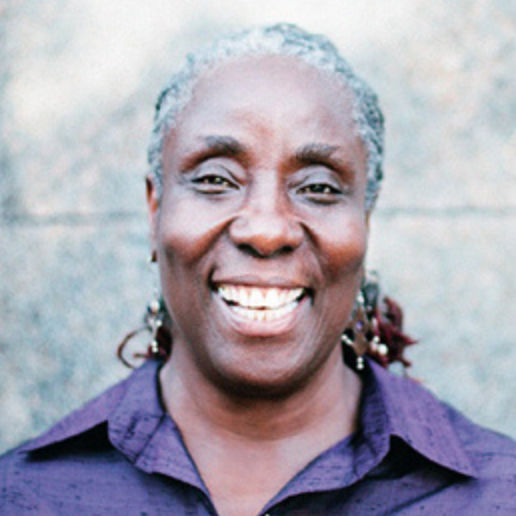
Camille Orridge is a Senior Fellow at Wellesley Institute. Previously, while at TCLHIN, Camille made health equity an increasing priority. Some of her achievements include launching Language Services Toronto, a telephone interpretation service for non-English speaking patients of Toronto’s hospitals that markedly improved aspects of access to Toronto’s hospitals. Her efforts on the Resource Matching and Referral Program and the Integrated Client Care Project that patients receive timely care, and the right care, and receive necessary supports to remain in the community.
10:15 to 11 a.m.: Cross-country trailblazers
Presentations: Cross-country trailblazers in race-based data for health
Session host: Jemal Demeke
Jemal Demeke

Jemal Demeke is a researcher at Wellesley Institute. His research spans topics such as sociodemographic data, infectious disease epidemiology, implementation science, organizational change and equitable health interventions. He has worked for human rights centres, community-based organizations, Ivy League universities and hospital networks.
Black and other racialized communities have a continued presence in his professional focus. He has founded equity initiatives in large organizations, led workshops to educators, healthcare providers and policymakers, and built relationships between community stakeholders and health agencies. His work at Wellesley Institute leverages these experiences to inform policy change in data management and governance across Canada.
Speakers
Tatiana Kim, British Columbia
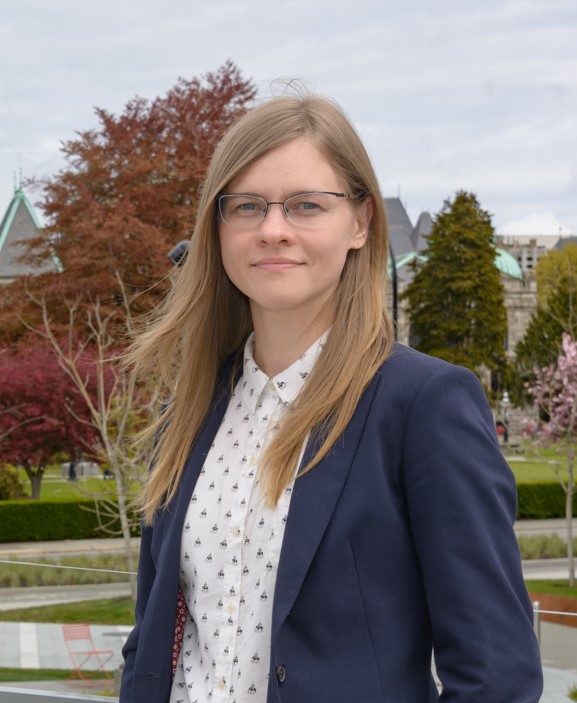
Presentation title: Anti-Racism Research in B.C. Government
Tatiana is an applied social researcher and a program evaluator. She holds a Master of Arts in Applied Social Psychology and a Professional Specialization Certificate in Population Health Data Analysis. In her current role as a Manager of Anti-Racism Data Projects at BC Stats, she is part of the team supporting data collection and research that aims to understand and address systemic racism in government programs and services. Through this work, she hopes to make a difference in the lives of people living in British Columbia and help build a community where researchers can exchange knowledge and ideas. Tatiana is grateful to live on the traditional territory of the Snuneymuxw First Nation, which is known today as Nanaimo, British Columbia.
Nathalie Buisse, Manitoba
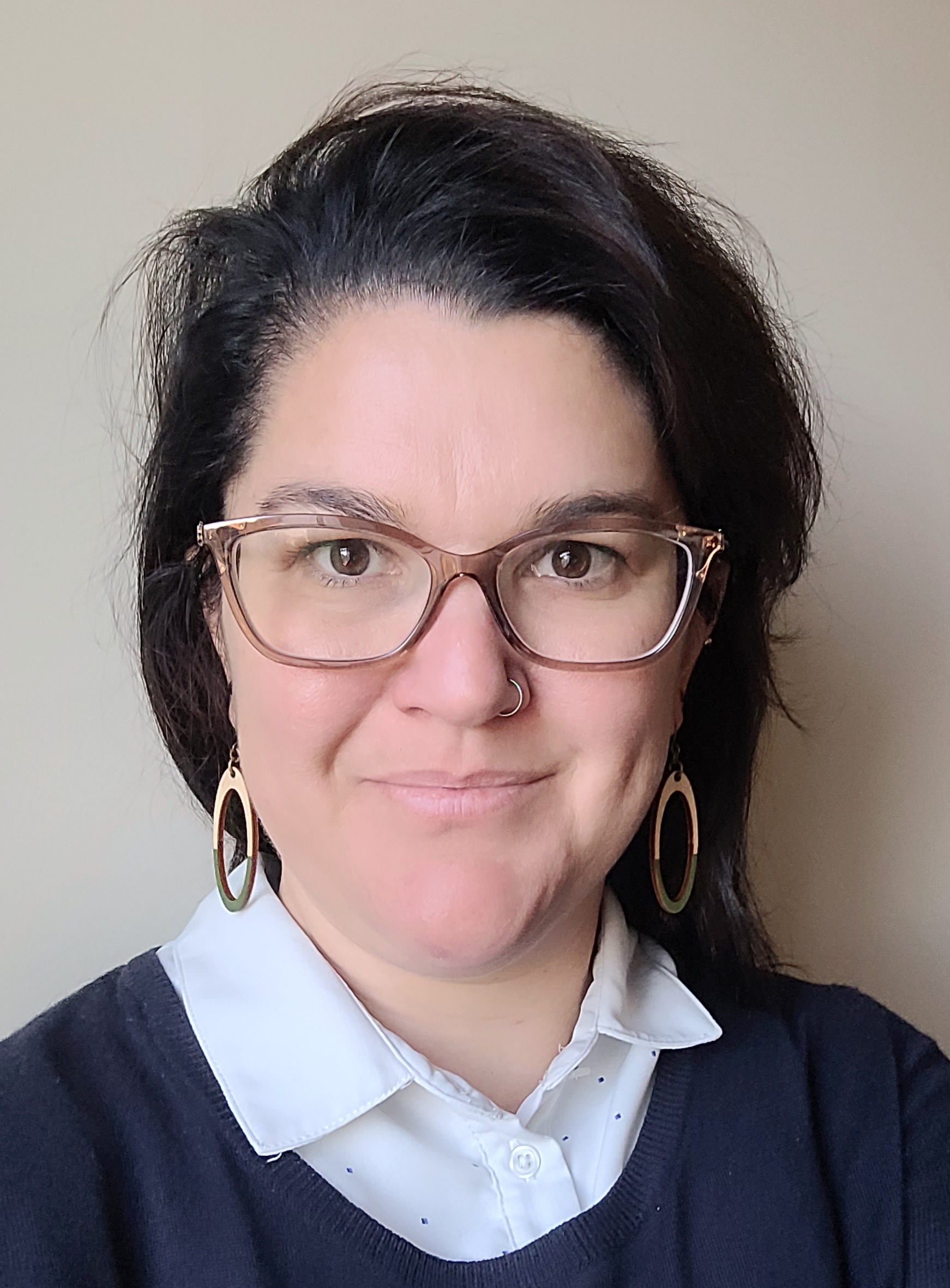
Nathalie Buissé (she/her) is white with settler ancestry rooted in Manitoba. She obtained her M.A. from the University of Saskatchewan and her Project Management Diploma from the University of Winnipeg. Nathalie joins us from the George and Fay Yee Centre for Healthcare Innovation, located on the University of Manitoba’s Bannatyne Campus. As a Project Manager, she is involved in a diverse portfolio of projects supporting both academia and the health system. On behalf of Shared Health and under the leadership of Dr. Marcia Anderson, Nathalie has been involved in Manitoba’s Race, Ethnicity and Indigenous identity data initiative since 2019.
Cynthia Damba, Ontario
Bio to come
Colin Campbell, Nova Scotia
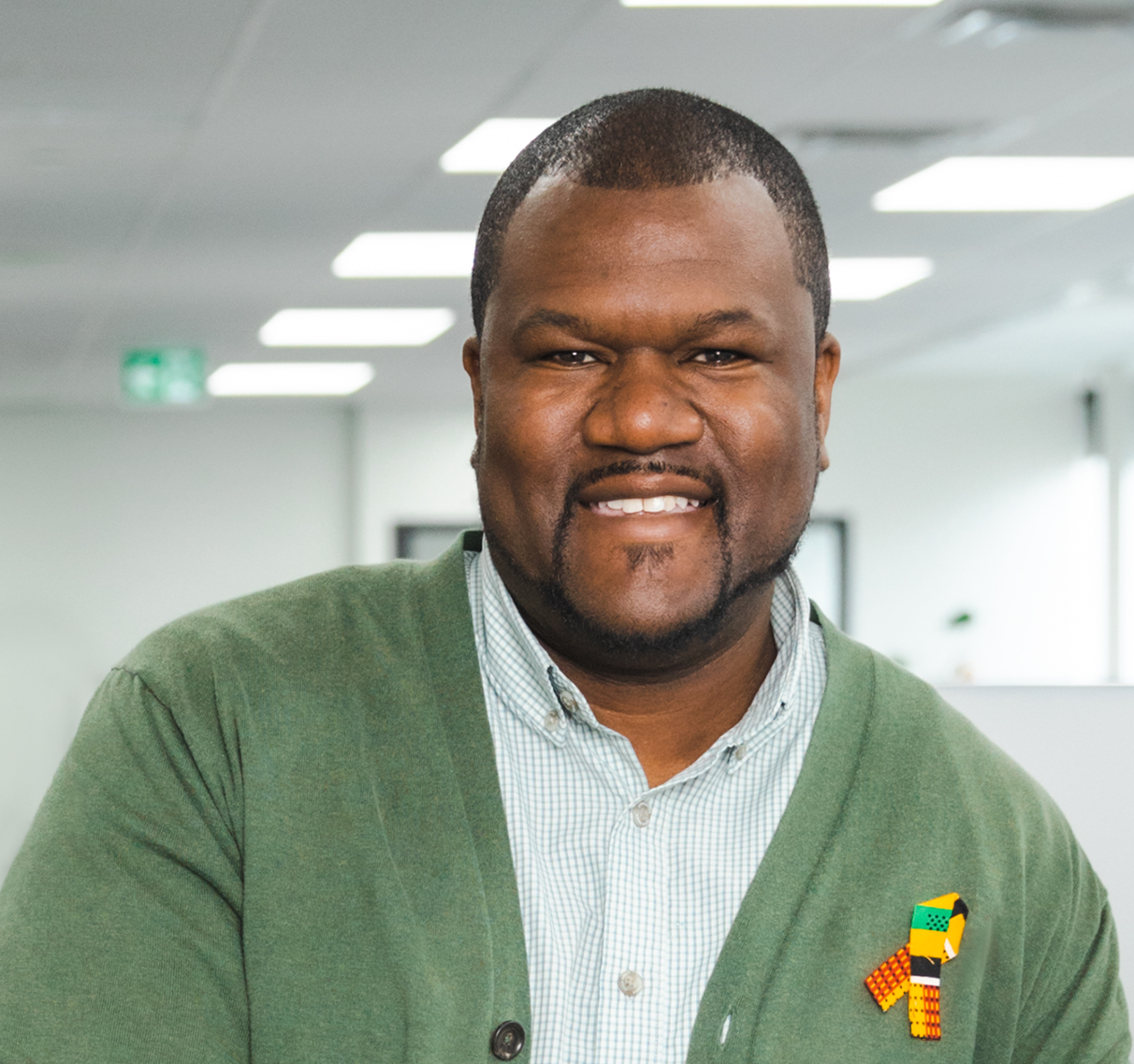
Presentation title: Fair Care is Equitable Care: Race-based and Linguistic identity data in healthcare
Colin is a proud public servant, with 15+ years experience working for the public good. He has a master’s degree in public administration from Dalhousie which has served him well in his career and volunteer-related experience in achieving the public good. With all that he does having an EDIRA undertone, Colin’s work and volunteer-related experience ranges from youth, to education, health and wellbeing, research/statistics, and facilitation. All in the pursuit of community development and capacity, addressing racial and societal inequalities, advocating for those without a voice and creating a hint of rebellion against the status quo. Outside of work, Colin loves all things family, friends, and travel. When he is not working, having family time, or traveling near and far, he is interested in talking real estate and watching renovation shows.
11 to 11:15 a.m.: Stretch and coffee break
Enjoy coffee, pastries and networking.
11:15 to 12 p.m.: Breakout groups
Discussion: Building consensus
Host: Dr. Kwame McKenzie
Share your input as we work towards a consensus statement on the collection, use and governance of race-based data for health.
Read the draft consensus statement here.
12 to 12:15 p.m.: Presentation by poet Greg Frankson
Greg Frankson was raised in Scarborough, Ont. by his single mother, who taught him the value of education, hard work and perseverance. As a first-generation Canadian of Jamaican descent, Greg has experienced negative impacts of prejudice, discrimination and racism, and has learned how to endure and thrive. He is a proud Queen’s University alumnus, highly accomplished spoken word artist-organizer, award-winning social activist, and impactful entrepreneur. More importantly, he is passionate about social change, dedicated to community service and intent on leaving a positive legacy for his three children.
12:15 to 1:15 p.m.: Lunch
Enjoy our catered boxed lunches from Santaguida.
1:15 to 2 p.m.: Initiatives at the federal level
Presentations: Game-changing initiatives at the federal level
Session host: Jemal Demeke
Ima Okonny, Employment and Social Development Canada

Ima, Assistant Deputy Minister and Chief Data Officer at Employment and Social Development Canada (ESDC) has over 23 years of experience in the field of data. As Chief Data Officer of ESDC, she works to enhance and advance Data Science, Data Management and Data Sharing to support ESDC’s policies, service delivery and results reporting. In addition to ground-breaking enhancement of the evidence base to support policy analysis and results reporting during the pandemic, Ima led the renewal of ESDC’s Enterprise Data Strategy and Enterprise Data and Analytics Policies. This involved promoting integration of data in the Departmental Policy on Information and Data Management and developing the Artificial Intelligence and Data Ethics Framework. She also led the establishment of the Data Literacy Program, the refreshed Data Inventory as well as its core instruments to better assess and manage data-related risks. Prior to ESDC, Ima held an executive role at the Office of the Superintendent of Financial Institutions, where she led a team to ensure the effective collection, governance, and management of federally regulated financial institution and pension plan data collected by the Office. Ima has also worked at Immigration, Refugees and Citizenship Canada, where she led the development and delivery of analytical data, research databases, data products and tools that supported performance measurement, policy development, program monitoring, results/outcome reporting and research and evaluation. Ima’s previous experience has also included positions with the Canada Revenue Agency, and Statistics Canada. She has an educational background in Mathematics, Computer Programming and Public Management and during her time with the Government of Canada, she has received several nominations and awards for her leadership and results. The Women’s Executive Network (WXN) recently announced Ima as a winner of Canada’s Most Powerful Women: Top 100™ Award. Ima also won the Insight 250 award, a global recognition of her work in data-driven insights and impactful leadership.
Evasha Rasasakaram, Canadian Institute for Health Information

Presentation title: Race-based and Indigenous identity data standards
Evasha is a Senior Analyst on the Population Health team at the Canadian Institute for Health Information (CIHI). She is committed to improving health equity by utilizing health data and research to measure and address inequalities in health care access, quality, experiences and outcomes. She was a main contributor to the development and release of CIHI’s Guidance on the Use of Standards for Race-Based and Indigenous Identity Data Collection and Health Reporting in Canada. Evasha holds a Master of Public Health from the University of Saskatchewan and a Bachelor of Science from Queen’s University.
Kataisee Richardson, Federal Anti-Racism Secretariat
Presentation title: Using Race-Based Data to Design a Black Communities-Focused Communications Strategy for COVID-19 and Vaccine Uptake.
Kataisee Richardson, is a senior policy analyst with the Government of Canada’s Federal Anti-Racism Secretariat. She has an MBA in International management and a wealth of experience in global health, gender equality, human rights and sustainable development. Over the last nearly 2 decades, she has had a dynamic career as a lecturer, writer, consultant and health advocate. When she isn’t working, you’ll find her planning her next exotic getaway.
Josée Bégin, Statistics Canada
Presentation title: Towards Health Equity in Canada: Data for Diverse Population Groups
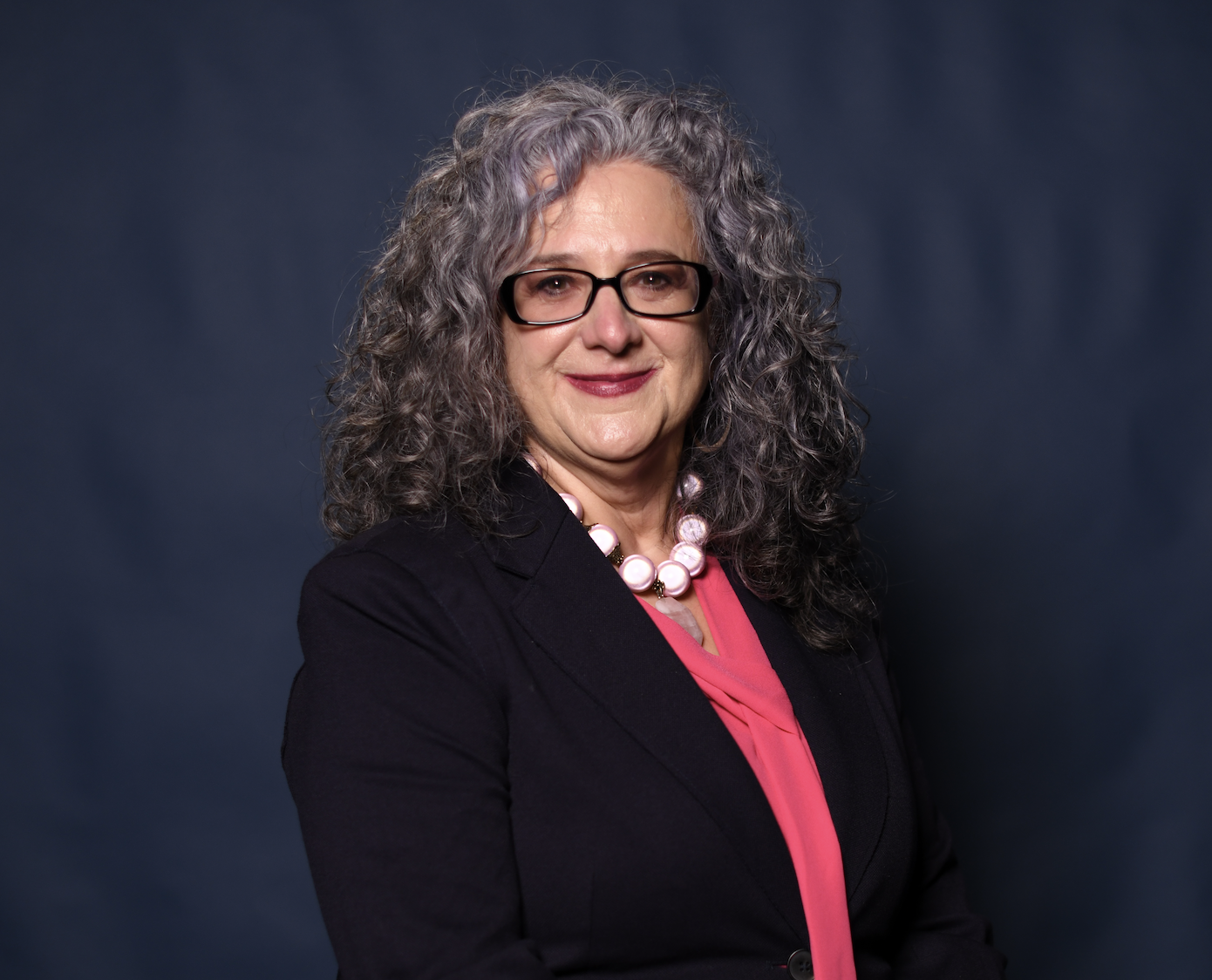
Josée Bégin has a master’s degree in mathematics and statistics (MSc) from the University of Ottawa, Canada. She has 30 years of experience in the public service. She started her career at the Canada Revenue Agency in 1994 before joining Statistics Canada in 2002, where she served various positions and gained experience in overseeing large and complex statistical programs in the social domain. Josée became the Assistant Chief Statistician of the Social, Health and Labour Statistics Field in 2023. In her current role, she supervises the overall planning and coordination of statistical activities and such statistical domains as the Labour Force Survey, the Disaggregated Data Action Plan, Canada’s Quality of Life Framework as well as the content of the Census of population.
2 to 2:45 p.m.: Panel discussion: Community governance
Panel discussion: The promise of community governance
Session host: Dr. Kwame McKenzie
Speakers
Paul Bailey, Black Health Alliance

Paul Bailey is a strategist, urban planner and Executive Director at the Black Health Alliance. He has spent the last decade designing interventions focused on improving outcomes for Black children, youth and families as it relates to: health and well-being, community violence, mental health and addictions, and the social service sector. His practice is currently focused on social planning, health equity, and addressing the causes of neighbourhood distress and inequality.
Maureen Kelly, Canadian Institute for Health Information
Bio to come
Sharon Davis-Murdoch, Health Association of African Canadians
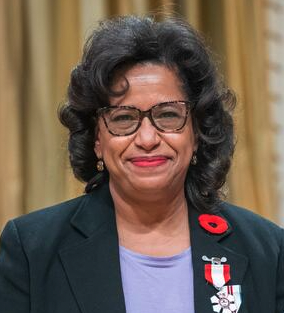
Sharon Davis-Murdoch C.M., is a social justice champion. Retired from the Nova Scotia Public Service, Sharon’s political science background and public policy experience inform her work in the community. Among her public policy accomplishments was the development of the first Provincial Guidelines for Culturally Competent Primary Health Care in Canada. Sharon was made a Paul Harris Fellow by the Halifax and Dartmouth Rotary Foundations of Rotary International in April and December 2022, recognizing her commitment to service over self. In December 2021, Sharon was named to the Order of Canada for her dedication to culturally competent care and improving the health equity and inclusion of racialized communities in Nova Scotia. Sharon received Premier’s Awards of Excellence in 2007 and 2015. Sharon works at the community level and is a founding member and the Co-President of the Health Association of African Canadians. In addition to that role, Sharon was appointed and served as Commissioner on the Independent Commission on Effective Electoral Representation of Acadian and African Nova Scotians in 2017. In 2018, Sharon received the Inspiration Award from the Dalhousie School of Public Administration awarded to public servants who have demonstrated a superior dedication and commitment to mentoring, coaching, and inspiring students and public servants over the course of their careers. She served as Co-Manager to the Association of Black Social Workers and Health Association of African Canadians, COVID-19 Response and Impact Team, now evolved to the Advisory Committee for Black Public Health. She is also an Advisor to the Halifax Immigrant Partnership, Secretary of the Dartmouth General Hospital Foundation Board, and the Health Services Working Group Chair of the African Nova Scotian, People of African Descent Coalition (ANSDPAD). She is also currently a co-lead Faculty of the East Coast Public Policy Training Institute.
Laura Ferreira-Legere, Institute for Clinical Evaluative Sciences
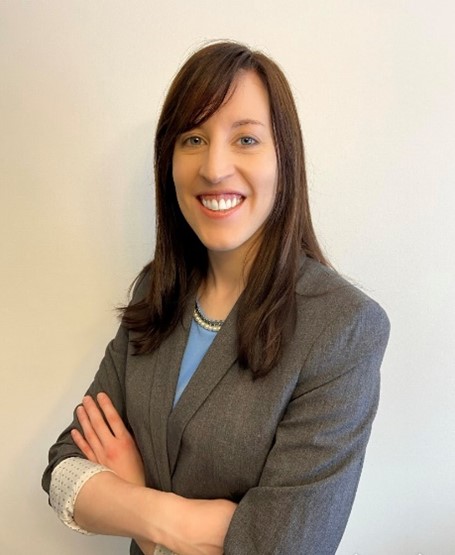
Laura Ferreira-Legere is the Senior Manager, Public & Community Engagement, Knowledge Translation at ICES. She has held professional roles in clinical nursing practice in Atlantic Canada and nursing guideline development in Ontario, including as a volunteer panel member contributing to best practice recommendations on equitable health care for 2SLGBTQI+ communities. Her Master’s thesis on reproductive cancer care in lesbian and bisexual communities received the York University Nursing Thesis Award. In her current role, Laura supports scientists and project teams to incorporate meaningful and equity-centered public and community engagement in research and analysis.
2:45 to 3 p.m.: Stretch and coffee break
Enjoy coffee, pastries and networking.
3 to 4:15 p.m.: Consensus discussion and Q and A
Topic: Powering Equity
Host: Dr. Kwame McKenzie
4:15 to 4:30 p.m.: Closing presentation by Greg Frankson
Greg “Ritallin” Frankson will share final inspiring words as we wrap up the day.